Brad Cloepfil of Allied Works
Designing Cultural, Civic, and Public Spaces Through Materiality, Place, and Experience
Sponsored by Architectural Record | Presented by Brad Cloepfil
Brad Cloepfil, founder of Allied Works, has established a body of work recognized for its thoughtful integration of architecture, landscape, culture, and place. This course explores the firm's approach to designing museums, cultural institutions, educational facilities, and civic spaces, examining how materiality, context, and human experience inform the design process.
Through selected project case studies, participants will gain insight into strategies for creating meaningful public architecture that responds to environmental, social, and cultural conditions while advancing design excellence.
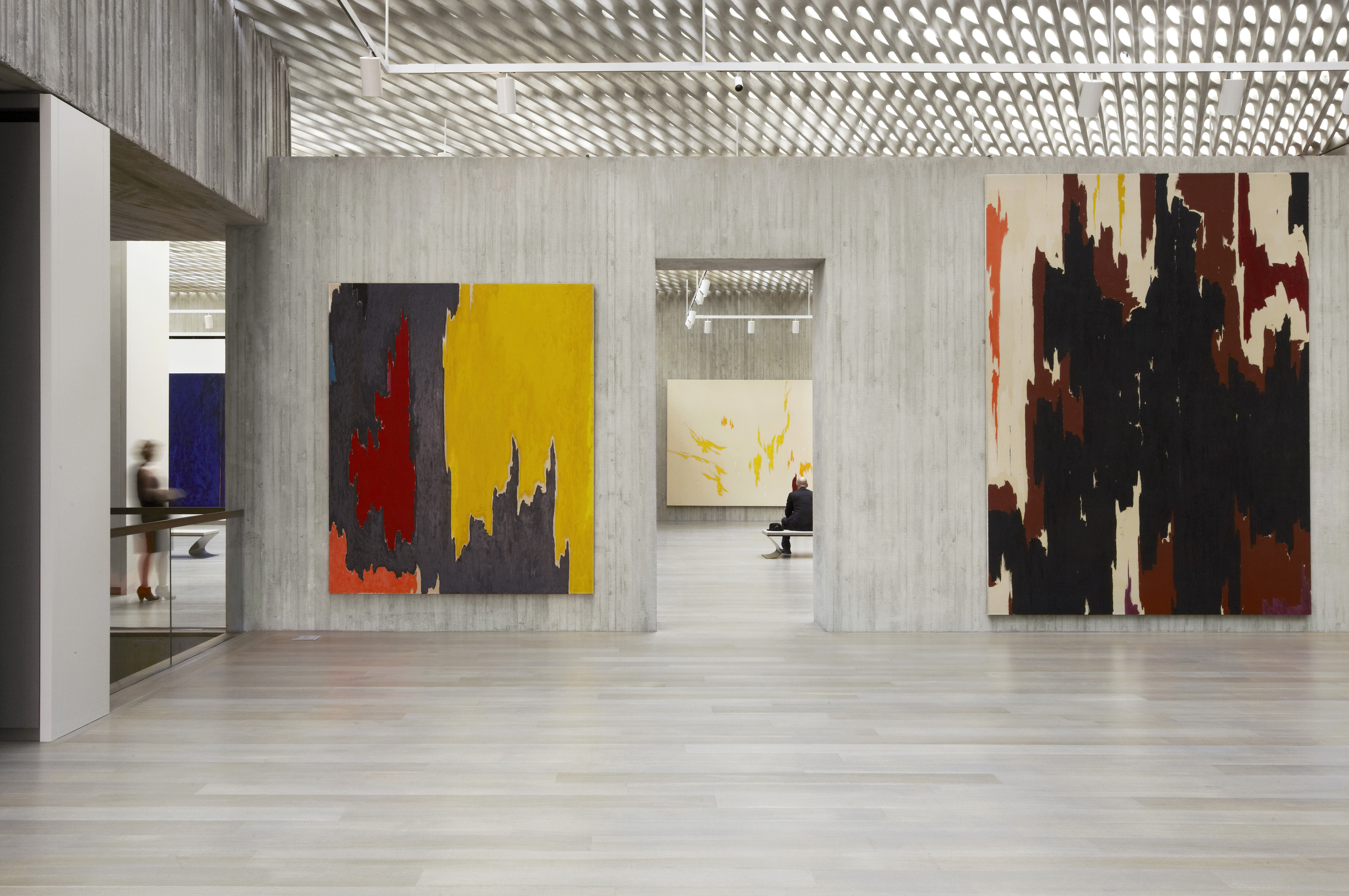
Image courtesy of Clyfford Still Museum / Allied Works Architecture © Jeremy Bittermann
 |
Aaron Prinz is the host of the Design:ED Podcast and holds a Masters of Architecture degree from the University of Texas at Austin. He was born and raised in the rural Northern California town of Red Bluff, just two hours south of the Oregon border. After one year of college, Prinz relocated to San Francisco to pursue a career in stand-up comedy. At age 26, he began studying architecture at Portland State University while interning at Studio Petretti Architecture led by Amanda Petretti. His professional contributions while at Studio Petretti were focused on a portion of the new Multnomah County Courthouse which is a prominent addition to the Portland skyline. He currently resides in Austin, Texas with his wife Roxanne where he continues to work as a designer. |

Architectural Record is the #1 source for design news, architect continuing education, and info on sustainability, houses, projects, and architectural products.
Originally published in Architectural Record
Originally published in June 2026
LEARNING OBJECTIVES
- Examine Brad Cloepfil's design philosophy and its influence on contemporary architectural practice.
- Identify strategies for integrating site, context, and cultural narratives into public and institutional projects.
- Analyze the role of material selection, detailing, and craftsmanship in shaping occupant experience and building performance.
- Evaluate how Allied Works projects address community engagement, sustainability, and long-term public value.