
Bob Weis – Walt Disney Imagineering
Experiential Design in Practice: Storytelling, Immersion, and the Built Environment with Bob Weis
Sponsored by Architectural Record | Presented by Bob Weiss
This course examines experiential design principles through a conversation with Bob Weis, former President of Walt Disney Imagineering and a leader in immersive design within the architecture profession. Participants explore how storytelling, guest journey mapping, and operational performance shape immersive environments—from queue design and pre-shows to ride reliability, capacity planning, and multi-sensory engagement.
The episode contrasts conventional “outside-in” architectural approaches with Imagineering’s “inside-out” process, where narrative, time, motion, and throughput drive form. Case study insights from Shanghai Disneyland highlight team-based design leadership, cultural calibration, and the role of technology as a tool in service of story.
The discussion also addresses how immersive design is influencing contemporary practice and why creativity, iteration, and perseverance remain essential to shaping memorable public experiences.
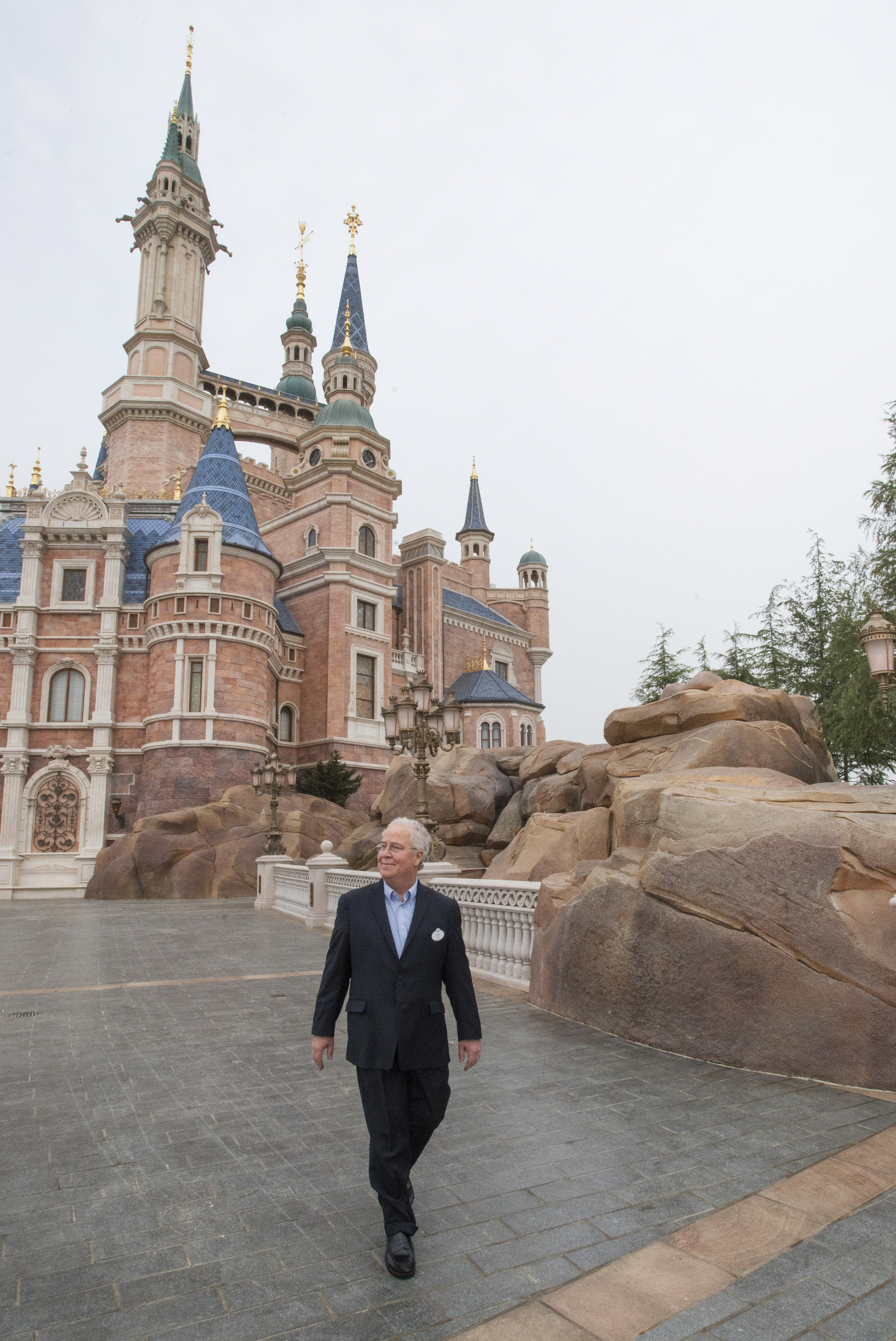
Photo courtesy of Bob Weiss
 |
Aaron Prinz is the host of the Design:ED Podcast and holds a Masters of Architecture degree from the University of Texas at Austin. He was born and raised in the rural Northern California town of Red Bluff, just two hours south of the Oregon border. After one year of college, Prinz relocated to San Francisco to pursue a career in stand-up comedy. At age 26, he began studying architecture at Portland State University while interning at Studio Petretti Architecture led by Amanda Petretti. His professional contributions while at Studio Petretti were focused on a portion of the new Multnomah County Courthouse which is a prominent addition to the Portland skyline. He currently resides in Austin, Texas with his wife Roxanne where he continues to work as a designer. |

Architectural Record is the #1 source for design news, architect continuing education, and info on sustainability, houses, projects, and architectural products.
Originally published in Architectural Record
Originally published in February 2026
LEARNING OBJECTIVES
- Differentiate between “outside-in” architectural design methods and “inside-out” immersive design workflows driven by story, time, and capacity.
- Analyze how queue environments, thresholds, and pre-shows support narrative immersion while improving perceived wait time and guest satisfaction.
- Evaluate how technology (e.g., trackless systems, projection, advanced ride mechanics) functions as a tool to support experience goals rather than as the goal itself.
- Identify core planning considerations for large-scale immersive environments—team coordination, reliability targets, throughput, and cultural context—using Shanghai Disneyland as an example.