Ben Loescher, FAIA – Principal, Terrain LA
Adobe construction as a modern, fire-resilient, low-carbon building system
Sponsored by Architectural Record | Presented by Ben Loescher, FAIA
This course examines adobe and earthen construction as contemporary architectural systems capable of meeting modern performance, safety, and regulatory requirements. Through built projects, research, and policy advocacy, the presenter explores how earthen materials contribute to fire resistance, reduced embodied carbon, occupant health, and long-term building durability.
The course challenges common misconceptions about adobe as a historic or alternative material and reframes it as a viable solution for adaptive reuse, residential, and commercial applications. Participants will also gain insight into current building code barriers and the architect’s role in advancing safer, healthier, and more sustainable construction practices.
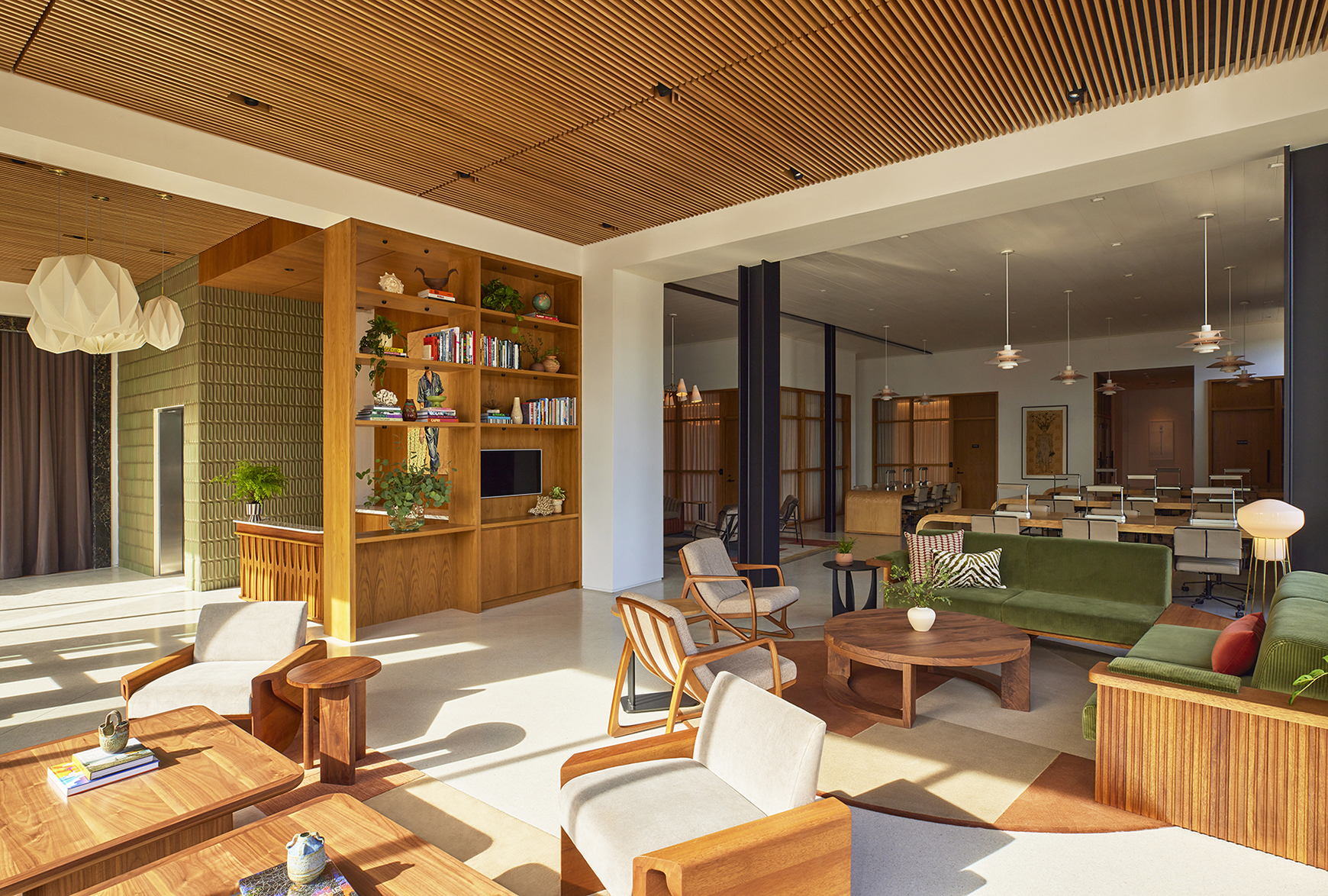
Photo courtesy of Yoshihiro Makino
 |
Aaron Prinz is the host of the Design:ED Podcast and holds a Masters of Architecture degree from the University of Texas at Austin. He was born and raised in the rural Northern California town of Red Bluff, just two hours south of the Oregon border. After one year of college, Prinz relocated to San Francisco to pursue a career in stand-up comedy. At age 26, he began studying architecture at Portland State University while interning at Studio Petretti Architecture led by Amanda Petretti. His professional contributions while at Studio Petretti were focused on a portion of the new Multnomah County Courthouse which is a prominent addition to the Portland skyline. He currently resides in Austin, Texas with his wife Roxanne where he continues to work as a designer. |

Architectural Record is the #1 source for design news, architect continuing education, and info on sustainability, houses, projects, and architectural products.
Originally published in Architectural Record
Originally published in February 2026
LEARNING OBJECTIVES
- Evaluate the embodied carbon implications of earthen versus conventional construction material.
- Identify fire-resilient properties of adobe and earthen wall systems.
- Analyze the role of thermal mass in occupant comfort and building performance.
- Assess common misconceptions surrounding earthen construction.
- Recognize building code and regulatory barriers affecting material adoption.