How Additive Manufacturing Is Expanding Design Possibilities
Exploring Emerging Technologies, Real-World Applications, and New Possibilities in Design and Construction
Sponsored by American Institute of Steel Construction | Presented by Carlos de Oliveira, MASc. P.Eng, D. Mark Douglass, PhD, CFA and Hunter Ruthrauff
Live Webinar Airing on December 9, 2026 at 02:00 PM ET
Additive manufacturing is expanding the possibilities for structural steel by enabling innovative fabrication methods and the production of optimized structural components. This course will examine how additive manufacturing works, its current applications in structural steel construction, and its use in real projects. The presentation will help participants evaluate the opportunities and challenges of implementing additive manufacturing while considering its impact on structural performance, constructability, material efficiency, and future design practices. The session will highlight how emerging fabrication technologies can support safer, more efficient, and more sustainable building solutions.
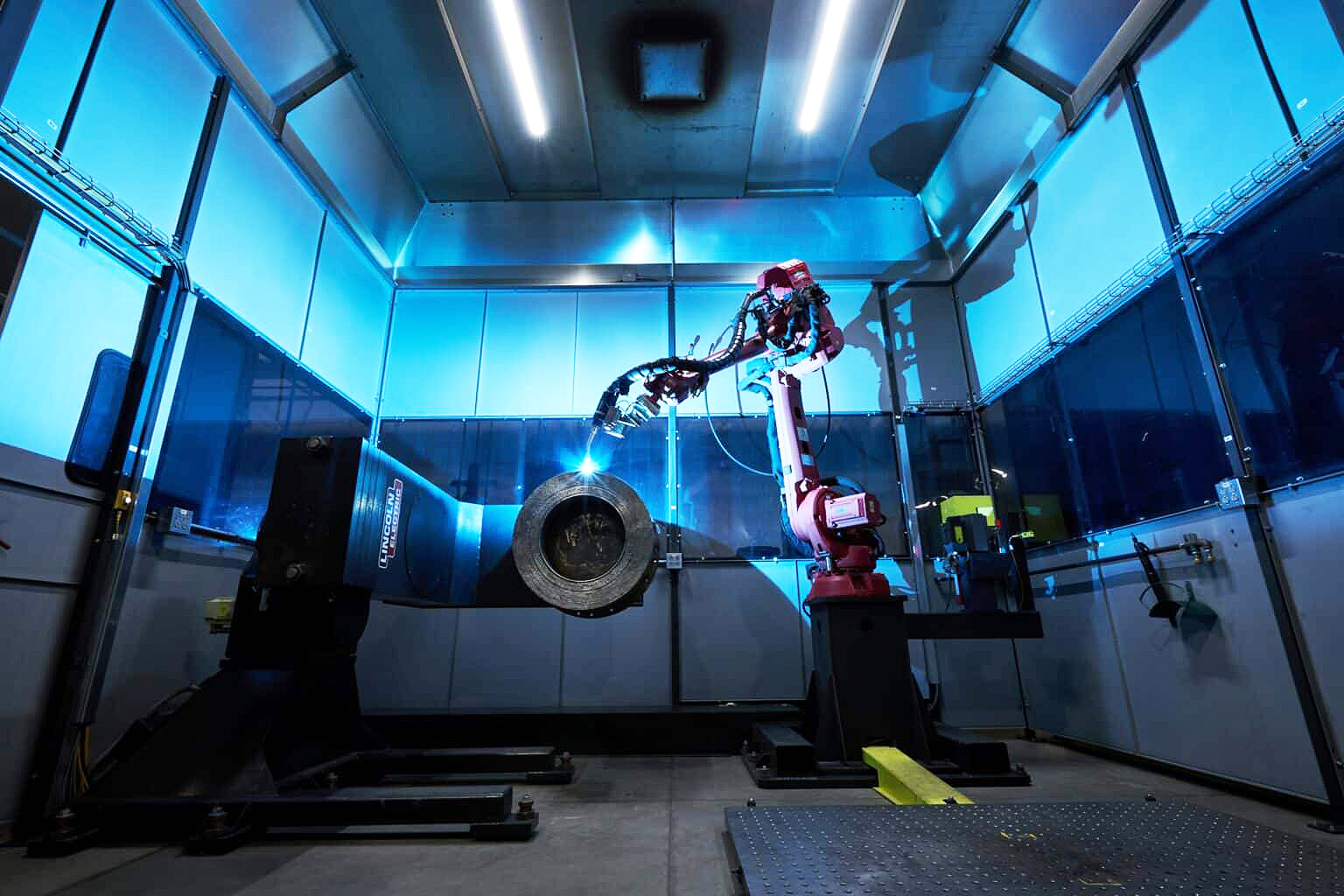
Photo courtesy of Lincoln Electric
 |
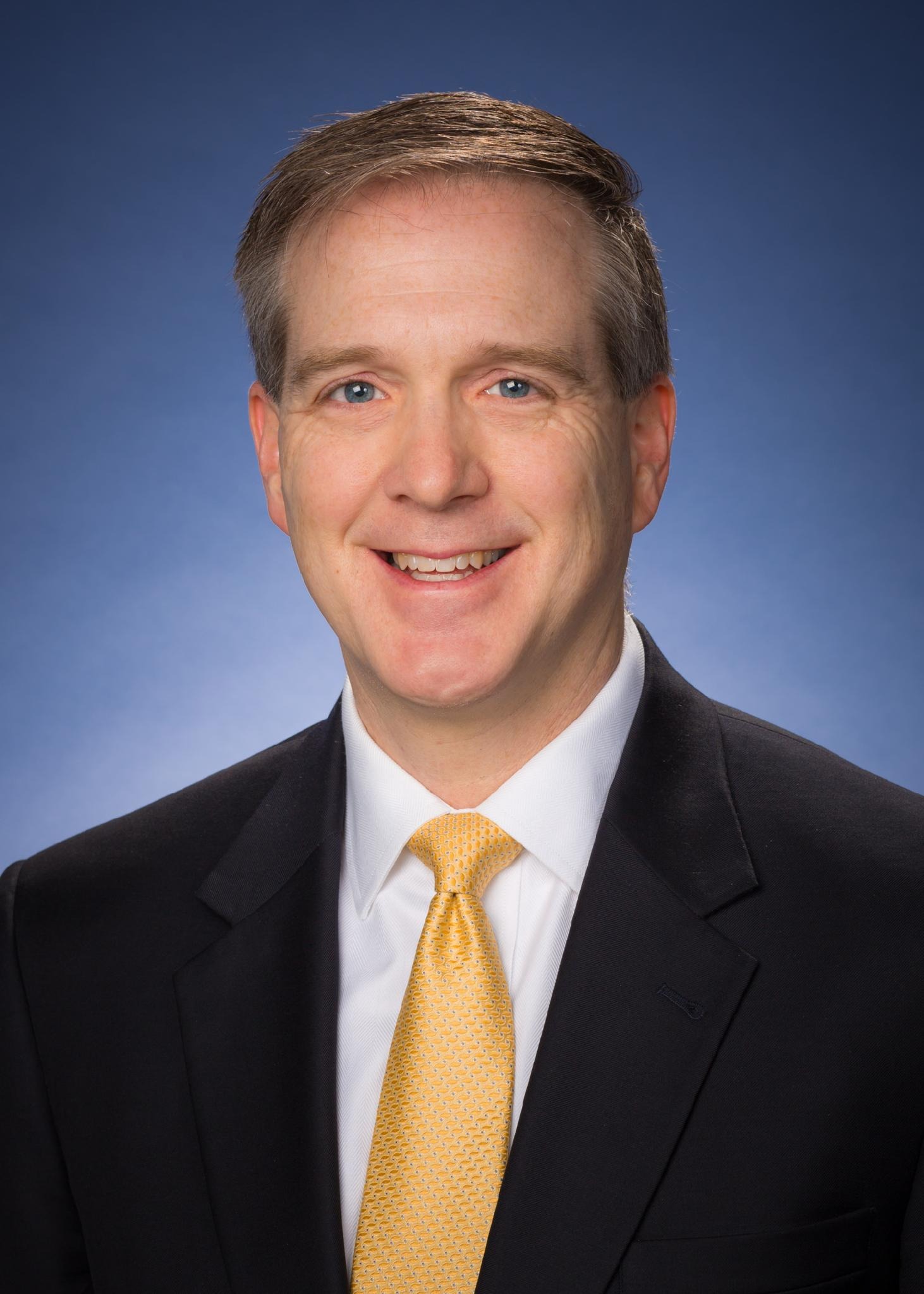
Carlos de Oliveira, MASc. P.Eng, is the co-founder, President, CEO, and Principal Structural Engineer of Cast Connex Corporation. He is recognized as a leading expert in the design and application of steel castings for building and bridge structures, having played a key role in advancing their adoption throughout the industry. Carlos earned a Bachelor of Applied Science from the University of Waterloo and a Master of Applied Science from the University of Toronto and is licensed as a Professional Engineer in numerous jurisdictions. |
 |
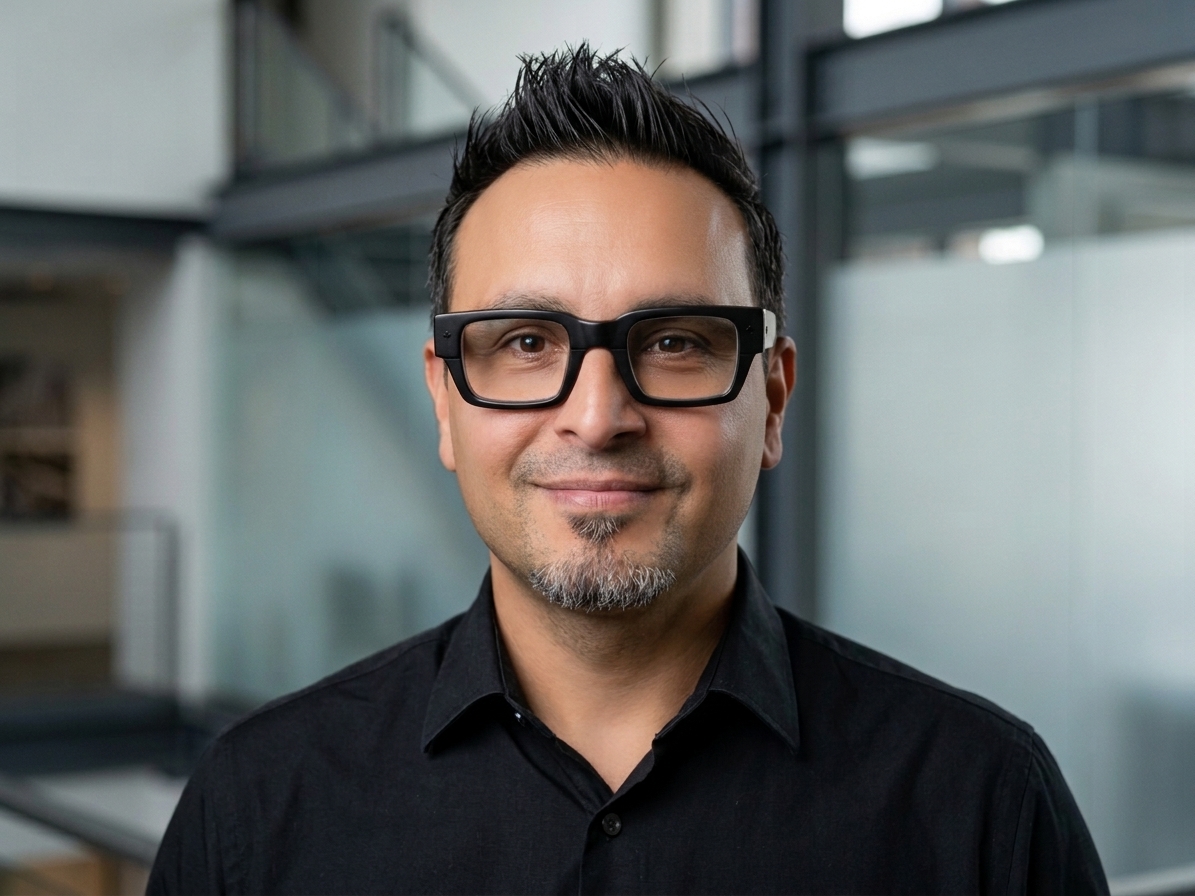
D. Mark Douglass, PhD, CFA is the Business Development Manager for Lincoln Electric Additive Solutions, responsible for overseeing sales, marketing, and strategic commercial and technical partnerships; prior to this role, he was a member of Lincoln Electric’s strategy and M&A team. Prior to Lincoln Electric, he was a sell-side equity analyst, focusing on industrial manufacturing technology companies. Preceding his Wall Street tenure, he was an advanced manufacturing engineer specializing in laser materials processing. He holds a B.S. and M.S. in Mechanical Engineering from the University of Illinois at Urbana-Champaign and a Ph.D. in Mechanical Engineering from the University of Michigan at Ann Arbor. He also holds the Chartered Financial Analyst®️ (CFA) designation. |
 |
Hunter Ruthrauff is a bridge architect with over a decade of experience focused on signature bridges of all types and scales. He acquired his Bachelor of Architecture from Cal Poly Pomona in 2009 and his Master of Science in Architectural Design Computation from the University of Washington Seattle in 2012. He first joined TY Lin in 2012 where he was brought in to work on the I-395 Viaduct and Signature structure. A few years later he designed and oversaw construction of the Idaho Avenue pedestrian bridge in Santa Monica that was awarded the Hayden Medal by the International Bridge Conference. Since then, this work has included the design of large-scale rail and vehicular bridges but remains focused on signature pedestrian bridges. His duties include concept development, public outreach, visualization, technology advancement, and plan set development. He excels at rationalizing complex geometry and seamlessly interweaving structural form, landscape, lighting, and materials as part of the design process. He is the Architecture and Visualization Group’s (AVG) design manager and oversees the design and progression of TY Lin’s most complex and iconic structures. |
For more than a century, American Institute of Steel Construction (AISC) has been a reliable engineering resource for information and advice on the design and construction of domestically fabricated structural steel buildings and bridges. The Architecture Center is an initiative created for architects by architects as part of the American Institute of Steel Construction. The center offers the resources architects need to save time and money, reduce risk, and achieve their project goals. It provides hands-on learning opportunities, such as job sites, fabrication shops, and steel mill tours, enhancing architects' understanding of steel processes and enabling them to apply best practices for improved project outcomes. The center features inspirational case studies that showcase innovative and successful steel applications, sparking creativity and confidence in using steel for high-performance, award-worthy projects.
Originally published in Architectural Record
Originally published in October 2026
LEARNING OBJECTIVES
- Explain the fundamentals of additive manufacturing and its current processes for producing structural components.
- Evaluate the capabilities and limitations of additive manufacturing through built project possibilities, considering structural performance, constructability, and material efficiency.
- Identify opportunities to integrate additive manufacturing into building design to support innovation, sustainability, and future design possibilities.
- Assess how emerging additive manufacturing technologies may influence collaboration between architects, engineers, and fabricators and expand future design opportunities.