Optimizing Performance with a Continuous Air Barrier System
Critical Transitions Between Roof, Wall and Below-Grade in Achieving Air Barrier Continuity
Sponsored by Air Barrier Association of America | Presented by Scott D Wood
Live Webinar Airing on October 27, 2026 at 02:00 PM ET
Modern high-performance commercial buildings require a continuous, fully integrated air control strategy spanning the envelope, including the roof, wall, and below-grade enclosures. This course examines how continuous air barriers optimize energy efficiency, building durability, and occupant comfort. Participants will analyze the risks of air leakage—including condensation, thermal loss, and structural failure—while mastering best practices for detailing critical transitions between roof, wall and below-grade enclosures. The curriculum highlights vapor-permeable air barrier systems and their role in maintaining airtightness while allowing assemblies to dry. Through real-world case studies across mission-critical, industrial, multi-family, and commercial projects, attendees will learn how integrated enclosure strategies support long-term resilience and moisture.
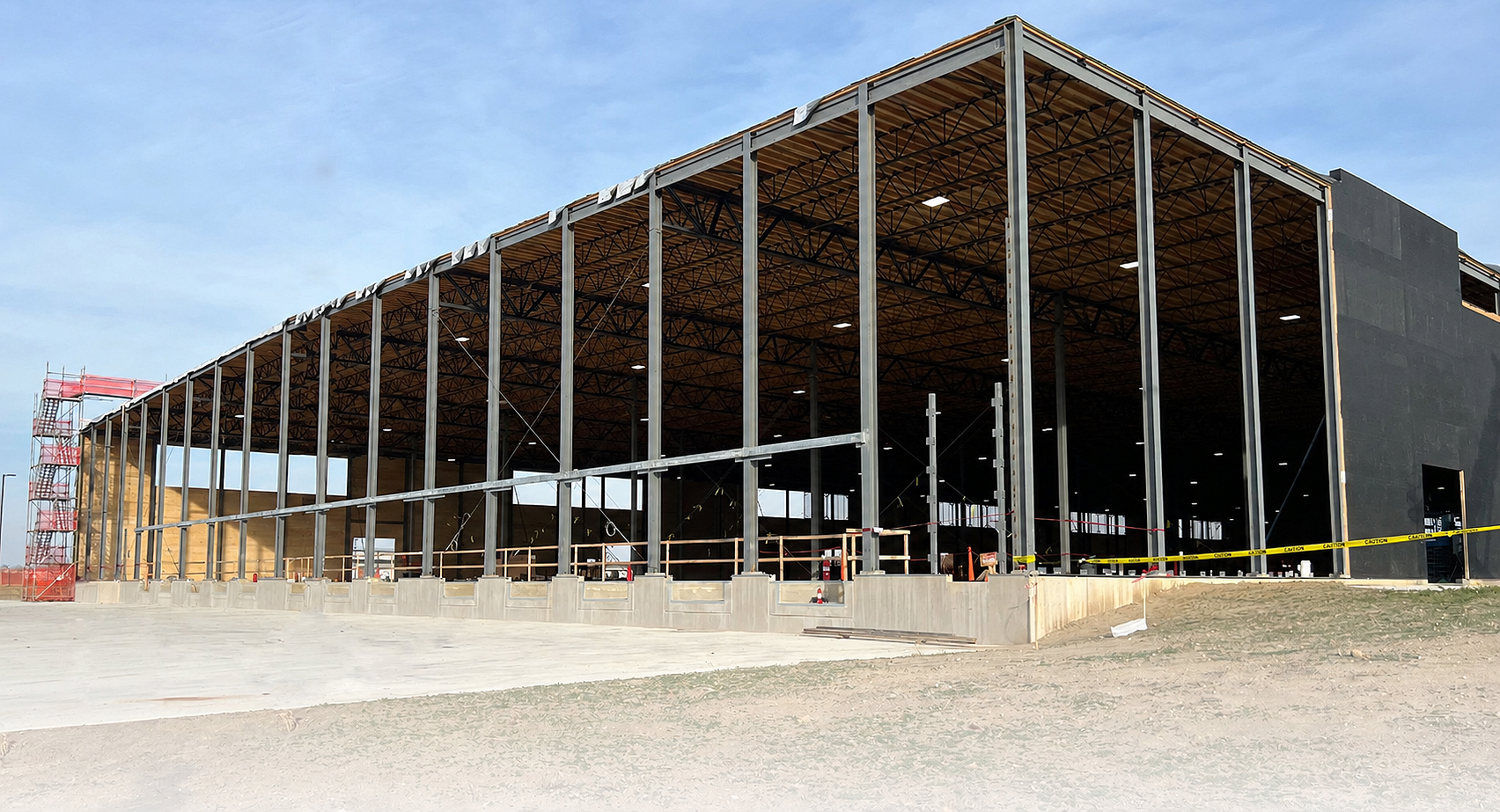
Photo courtesy of VaproShield
 |
Scott D. Wood is a distinguished building science professional with over two decades of expertise in building forensics, enclosure consulting, and advanced diagnostic testing. Currently serving as the Senior Building Scientist at VaproShield, Scott oversees laboratory operations, manages new product development, and provides critical technical support to representatives and clients. His work is instrumental in advancing manufactured materials and refining technical literature that shapes industry standards. |
The Air Barrier Association of America (ABAA) is a national, not-for-profit trade association comprising a broad cross section of stakeholders in the building enclosure industry. Their membership, which is over 650 member companies, includes manufacturers, architects, engineers, trade contractors, researchers, testing & audit agencies, consultants and building owners. ABAA is the national voice of the air barrier industry and the number one resource for anything to do with air and moisture barriers.
Originally published in Building Enclosure
Originally published in September 2026
LEARNING OBJECTIVES
- Identify best practices for critical detailing transitions between roof and wall systems and wall to below-grade systems.
- Cover how air leakage impacts energy performance, durability, and occupant health and comfort in commercial buildings.
- Differentiate the performance characteristics of vapor-permeable air barriers and their role in supporting assembly drying potential.
- Apply integrated enclosure strategies to diverse project types, including mission-critical facilities, industrial spaces, and multi-family housing.