Elevating Space-Efficient Interiors with Commercial Sliding Doors
From the Fundamentals to Highly Customized Storefronts
Sponsored by AD Systems | Presented by Glen Buckner
Live Webinar Airing on October 1, 2026 at 02:00 PM ET
Commercial interior sliding doors have evolved beyond space-efficient openings to offer architects new design opportunities. These systems can enhance building flexibility and accessibility. They can balance openness with privacy and safety. Commercial interior sliding doors can also be customized to fit complex storefronts, glass walls, corners and other opening assembly types to deliver more positive occupant experiences. Participants will gain an understanding of different sliding door assemblies, hardware options, and performance features that influence specification decisions. Through real-world case studies from healthcare, education, workplace, and other commercial environments, attendees will learn practical strategies for selecting and integrating sliding door solutions.
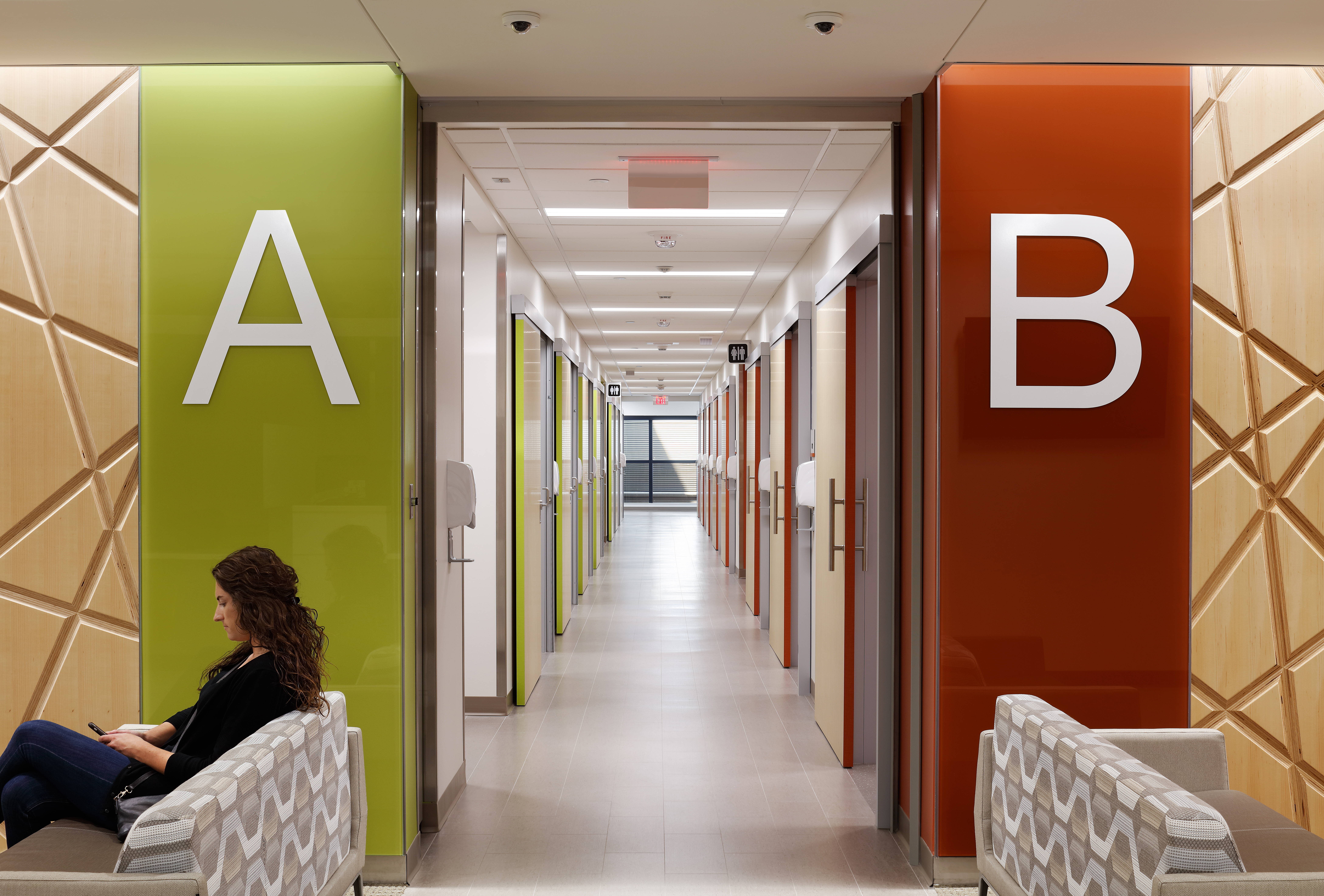
Image courtesy of AD Systems
 |
Glen Buckner, NCARB, AIA, LEED GA, CSI, MBA, has over 13 years of experience in the hardware industry and over 40 years of experience working on healthcare-related projects. As the Southeast Regional Sales Manager, Glen leverages his experience and technical knowledge to guide the specification of acoustical, smoke, automated and fire-rated commercial sliding doors. |
AD Systems, a division of Allegion, is a leading manufacturer and supplier of high-quality sliding and swing door systems. Providing superior acoustic performance and space-saving designs, AD Systems products support value-driven designs for commercial and institutional projects.
Originally published in Architectural Record
Originally published in July 2026
LEARNING OBJECTIVES
- Identify the primary types of commercial interior sliding door assemblies and evaluate how they support space-efficient design, occupant privacy, accessibility, and building flexibility.
- Explain applicable code requirements, testing standards, and performance criteria for commercial sliding doors, including considerations for fire and smoke protection, accessibility, and security.
- Compare sliding door hardware options, operating systems, and product features to determine appropriate solutions based on project-specific design and performance requirements.
- Analyze real-world case studies from healthcare, education, workplace, and other commercial environments to demonstrate how sliding door systems can address common design challenges while supporting operational and occupant needs.